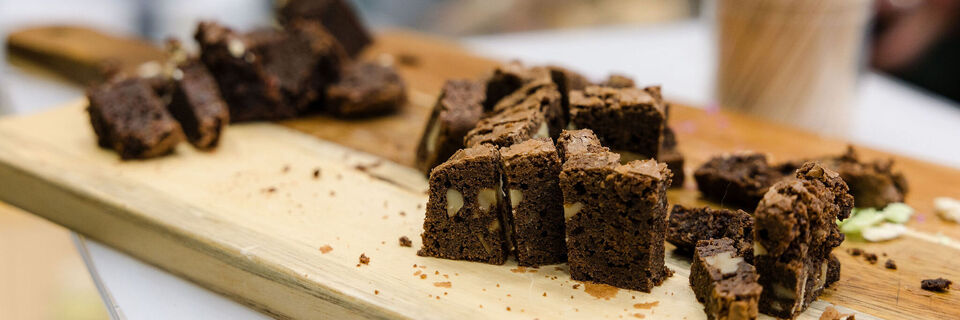
It has probably never been easier to eat gluten free in New Zealand.
Supermarkets have dedicated gluten free sections. Café cabinets have gluten free slices, muffins and cakes. Restaurant menus increasingly come dotted with little GF symbols. Most of us understand, at least broadly, what gluten free means.
From the outside, it can look like a problem largely solved.
But ask people who actually need to avoid gluten and a very different picture emerges.
A new survey of 231 people affected by gluten-related conditions found more than half often or always avoid eating out because they're worried the food won't be safe.
Nearly 80 per cent said they'd become sick a few or many times after being told something was gluten free.
And when 228 respondents were asked how they felt about eating somewhere unfamiliar, 78 per cent chose anxious.
Only two chose confident.
For people who don't need to think about gluten, spotting "GF" on a menu can feel like the end of the problem.
For many of the people surveyed, it's the beginning of another round of questions.
How was it prepared? Is there a separate fryer? Was the same chopping board used? What else has been in the toaster? Does the person taking the order understand cross-contamination? Does "gluten free" mean the ingredients don't contain gluten, or that care has also been taken during preparation?
Again and again, respondents came back to the same misconceptions: that a little bit won't matter, that avoiding gluten is a preference, that they're being fussy, or that anything labelled gluten free must automatically be safe.
And that lack of trust is changing how people live.
Six in ten respondents said they had skipped an event because they couldn't eat safely. More than two-thirds had missed spontaneous meals with friends. The same number had declined workplace catering. Almost half had avoided travelling because of food concerns, and 84 per cent had taken their own food to a social event.
People described researching restaurants before agreeing to go, contacting venues days in advance and keeping lists of places they can and can't eat. Some said they won't try somewhere new until other people in the gluten free community have tested it first.
One respondent said they don't go out with friends much for meals anymore:
“I usually end up eating a banana in my car and just buy a drink now.”
That's where this stops being a story about food and starts being about a sense of belonging.
Food is tangled through almost every part of our social lives. We meet friends for coffee. Work puts on morning tea. Someone has a birthday. Someone gets married. We order takeaways on Friday night, visit family, travel and accept last-minute invitations to dinner.
It's hard to separate food from social connection when so much of our time together happens around it.
A place where you don't have to ask
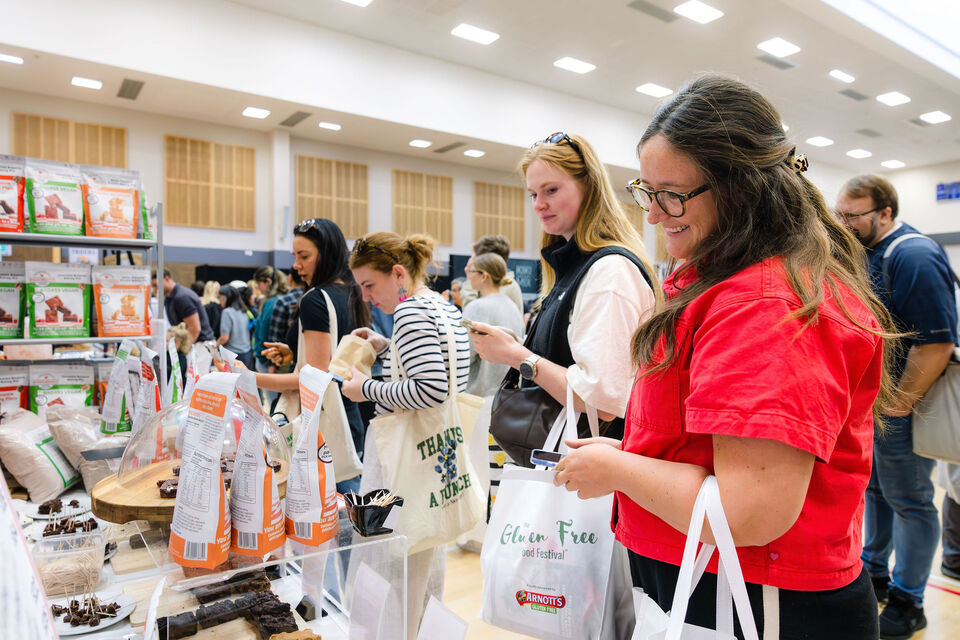
That constant checking is one of the things festival founder Shayna Gaskill wants people to be able to leave at the door when they arrive at the Gluten Free Food Festival.
The festival brings together gluten free food, drinks, products and producers, but the survey suggests discovering something new to eat is only part of its appeal.
For people used to reading every label and questioning how something was prepared, there's something pretty special about walking into a room where gluten free isn't the exception.
It's the whole point.
There's no need to explain yourself. No scanning a menu for the one thing you might be able to eat. No watching everyone else tuck in while you wonder whether it's worth the risk.
For a day, the mental load of eating can become a little lighter.
For Shayna, that's a big and important reason to bring the gluten free community together. It's a chance to discover what's available, talk to businesses, meet other people who get it and, perhaps most importantly, enjoy food without it being an ordeal.
Gluten free is mainstream. Understanding still has some catching up to do.
When respondents were asked what would make eating gluten free in New Zealand better, they talked about clearer labelling, better information on menus, separate preparation areas and greater understanding from hospitality businesses.
But more than anything, they wanted people to understand.
Asking questions about how food has been prepared isn't being difficult. Declining something someone has made isn't personal. A little bit of gluten can matter, and seeing the letters GF beside something doesn't automatically make every worry disappear.
There is plenty to celebrate in how far gluten free food has come. What was once difficult to find is now sitting in supermarkets, cafés and restaurants across New Zealand.
But the survey suggests the next step isn't simply producing more gluten free food.
It's making sure the people who need it can trust it enough to join everyone else at the table.